

Home & Decor


CREATE A HOME THAT LASTS.
Embrace organic modern silhouettes and sculptural curves, layered with tactile bouclé, natural wood, soft neutrals, and earthy tones.


Blog posts

5 Furniture Shapes Defining Modern Interiors Right Now
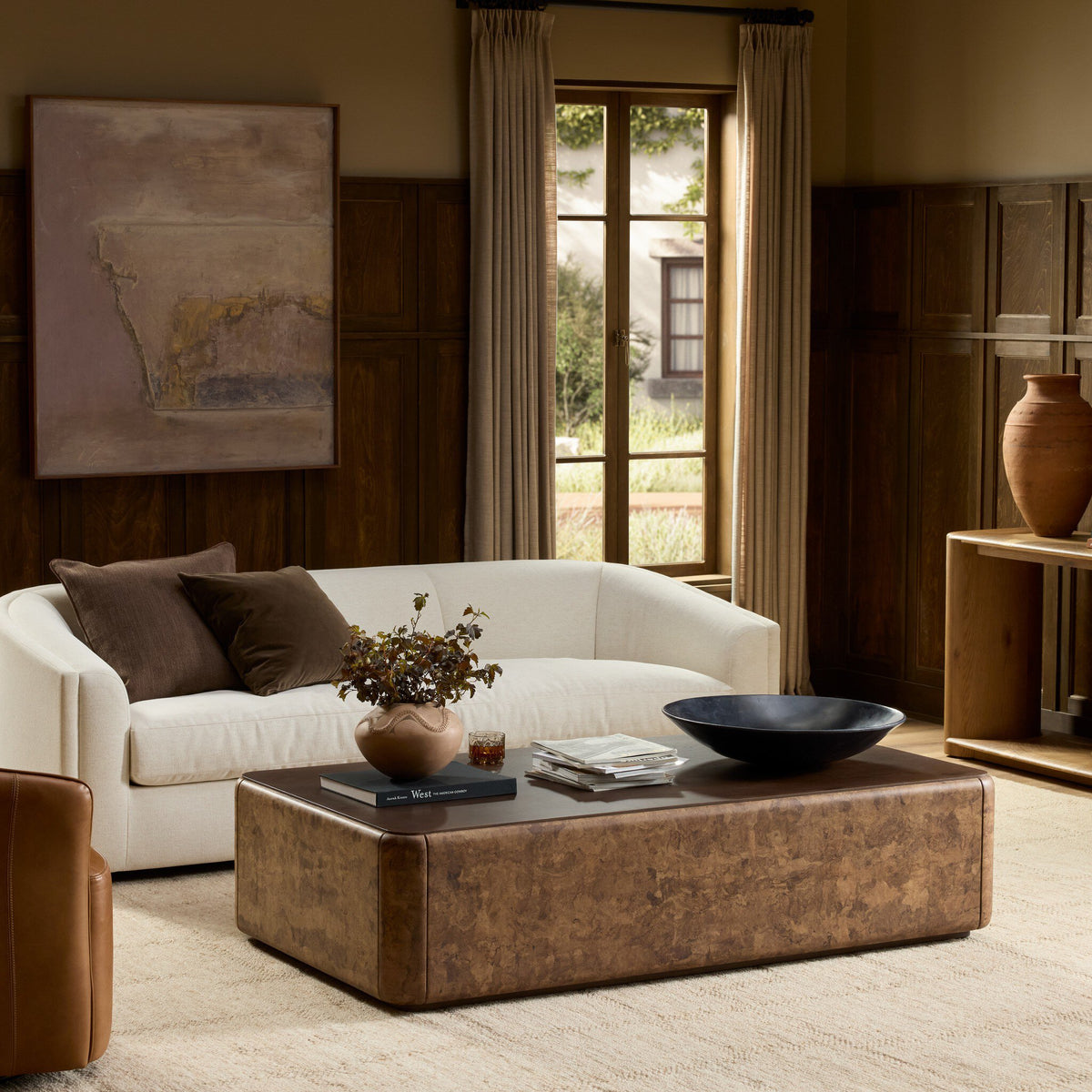
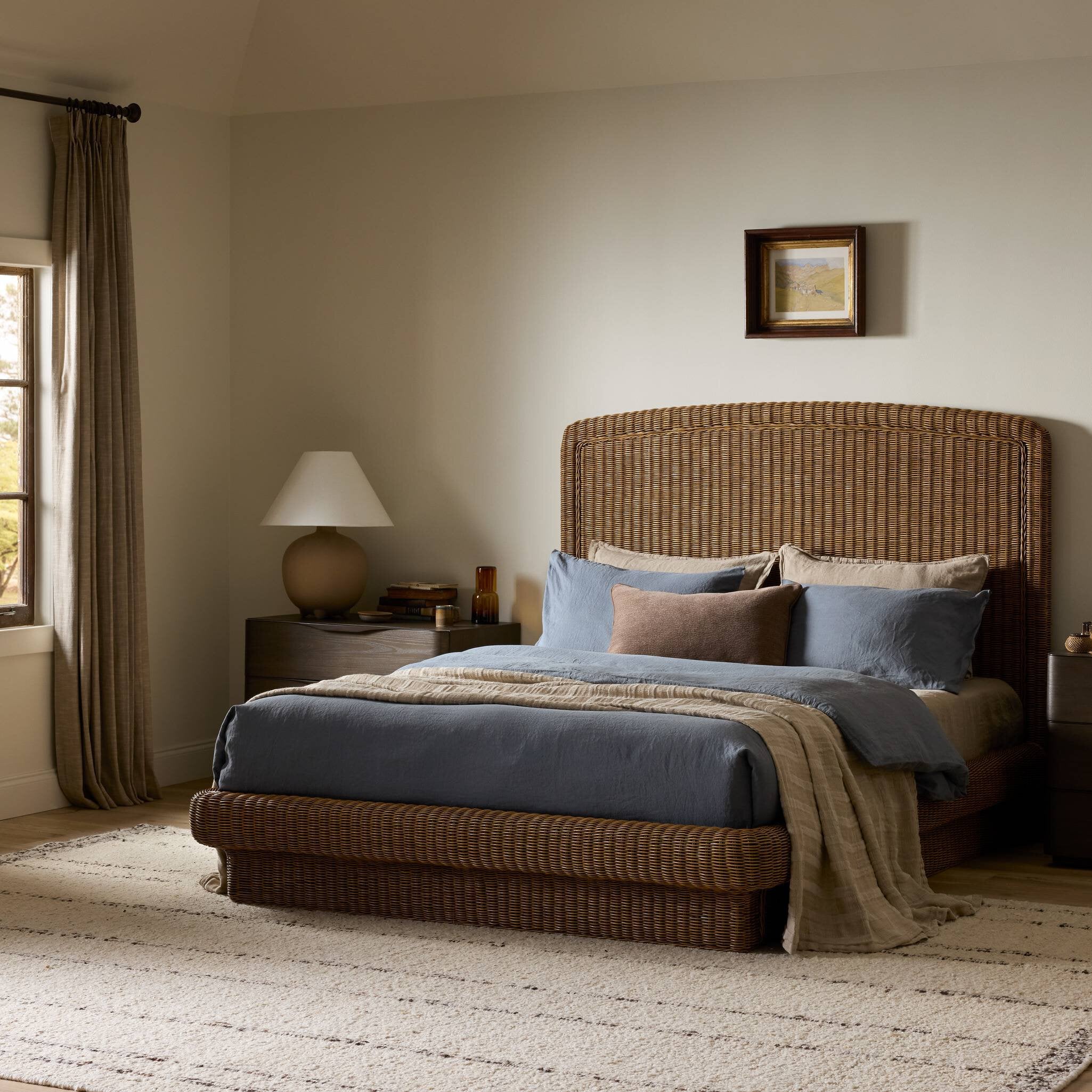
Furniture is becoming more sculptural. While color, materials, and finishes continue to shape interiors, the silhouette of a piece can completely change the way a room feels. Today’s modern interiors are moving away from rigid lines and predictable furniture sets in favor of softer curves, substantial forms, and shapes that feel almost architectural. The result is a style that feels modern without feeling cold. Pieces have presence, but they still invite you to sit, gather, and live comfortably. Here are five furniture shapes defining modern interiors right now. 1. Sculptural Curves Curved furniture has become one of the defining shapes of contemporary interiors. Rounded sofas, curved accent chairs, circular tables, and softly shaped case goods bring movement into a room. They break up the straight lines found in architecture while creating a more relaxed and inviting atmosphere. Curves work particularly well in living rooms, where a rounded sofa or chair can become the focal point without relying on bold color or excessive decoration. For a more sophisticated look, pair curved upholstery with natural wood, stone, or other organic materials. 2. Low-Profile Furniture Low-profile furniture creates a relaxed, grounded feeling. Low sofas, lounge chairs, and platform-style beds emphasize horizontal lines and allow more of the surrounding architecture to remain visible. The result is an interior that feels spacious and intentional rather than crowded. This look works especially well with warm neutrals and natural materials. A low-profile sofa in linen or boucle paired with a substantial coffee table can create an understated but luxurious living space. The key is proportion. Low furniture should still have enough visual weight to feel intentional within the room. 3. Chunky, Substantial Forms Minimalism does not have to mean delicate. One of the biggest shifts in modern furniture is toward pieces with more substantial proportions. Think thick tabletops, oversized bases, deep seating, and generously scaled upholstery. These pieces bring warmth and visual weight to minimalist spaces. Instead of filling a room with numerous decorative objects, one substantial table or chair can create the same sense of impact. This is particularly effective when paired with softer materials and a restrained color palette. 4. Pedestal Bases Pedestal furniture is having a major moment, particularly in dining and occasional tables. Instead of traditional four-legged construction, pedestal tables use a central base to create a cleaner, more sculptural silhouette. They feel architectural while remaining practical. A pedestal dining table can also make a room feel more open because there are fewer visual interruptions beneath the tabletop. The shape naturally encourages conversation and creates a strong foundation for the rest of the room. Look for pedestal designs in natural wood or stone for an organic modern interpretation. 5. Sculptural Silhouettes Some furniture is designed to be more than functional. Sculptural chairs, tables, consoles, and benches can act almost like artwork within a room. Unexpected proportions, curved edges, unusual bases, and architectural forms give these pieces personality without requiring a lot of additional decoration. This is where modern interiors become more personal. Instead of choosing every piece from the same collection, introduce one or two sculptural forms alongside simpler furniture. The contrast creates a more collected and sophisticated environment. The New Modern Interior What connects these five shapes is their ability to make a room feel intentional without feeling overly designed. Modern furniture is becoming softer, warmer, and more tactile. Curves replace rigid edges. Low profiles create a sense of ease. Chunky forms add weight. Pedestal bases simplify traditional shapes. Sculptural silhouettes bring personality. Together, these elements are helping define a new approach to modern interiors: one that feels refined, comfortable, and lived in. At Native Citizen, we believe the best spaces are not built around one particular style. They come together through a thoughtful mix of shapes, materials, textures, and pieces that feel right for the way you live. Explore modern furniture, lighting, rugs, art, and more at Native Citizen.
Learn more
Brandon Kerr Art: A New Texas Voice in Abstract Art
At Native Citizen, we believe art has the power to transform a room. The right piece can add texture, create contrast, and give a home a sense of personality. For our latest artist feature, we are proud to introduce Brandon Kerr Art, an emerging Texas artist whose neutral abstract art and textured artwork bring a distinct perspective to the Native Citizen collection. Now featured in our Montrose showroom in Houston, Brandon's work reflects a balance we love in interior design: grounded, natural, and understated, yet softly bold. Meet Texas Abstract Artist Brandon Kerr Brandon Kerr began his artistic practice in 2020 and has quickly established himself as an emerging Texas abstract artist. His work has already been featured in Round Top exhibitions, selling out his work, and he has since made art his full-time career while supporting his family and children. His signature style is recognizable through neutral tones, layered surfaces, and expressive abstract compositions. Brandon leaves room for the viewer to find their own meaning. That openness is part of what makes his work so compelling. Neutral Abstract Art With Texture Brandon's use of neutral tones gives his work a natural versatility. Creams, earthy shades, soft variations, and tonal layering create a quiet foundation, while dimensional textures and abstract forms add visual interest. His textured artwork rewards a closer look. From across a room, the pieces can feel calm and architectural. Up close, layers and imperfections reveal the experimentation behind the work. This combination of neutral abstract art and rich texture makes Brandon's pieces easy to incorporate into a range of interiors, from warm minimalism and organic modern spaces to more collected and eclectic homes. An Artist Who Keeps Experimenting One of the qualities we admire most about Brandon is his willingness to experiment. He is constantly exploring new techniques, adding texture, working with canvas, and testing ideas simply to see what works and what does not. He does not allow outside expectations to dictate what he creates. Brandon makes what he wants to make. That independence is an important part of his artistic identity. Rather than trying to recreate a formula that has already worked, he continues to push his own practice forward. For an emerging artist, that curiosity is part of the story. Brandon Kerr Art at Native Citizen Houston We are proud to showcase Brandon Kerr Art in our Native Citizen Montrose showroom in Houston. His work represents what we love about discovering emerging artists: a strong point of view, an evolving process, and pieces that can become part of a home without losing their own identity. For us, Brandon is a beautiful example of the balance between grounded and bold. His neutral palette creates a sense of calm, while his textures and abstract compositions bring depth and character to a room. Visit Native Citizen in Montrose to experience Brandon Kerr's artwork alongside our curated collection of furniture, rugs, lighting, and home decor. Discover Texas abstract art. Find pieces with texture, character, and a story of their own.
Learn more
What Makes a Houston Home Feel Collected and Luxurious?
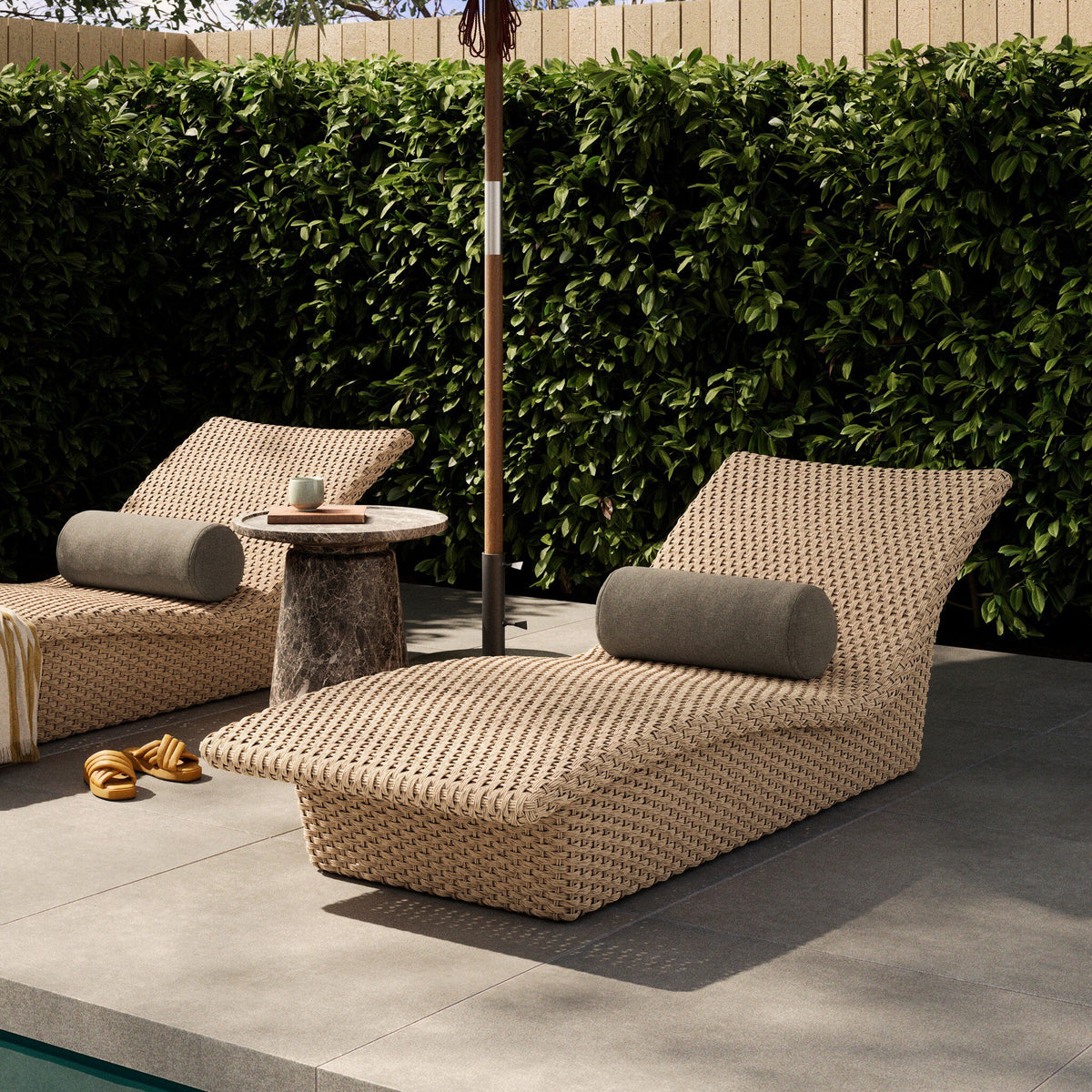
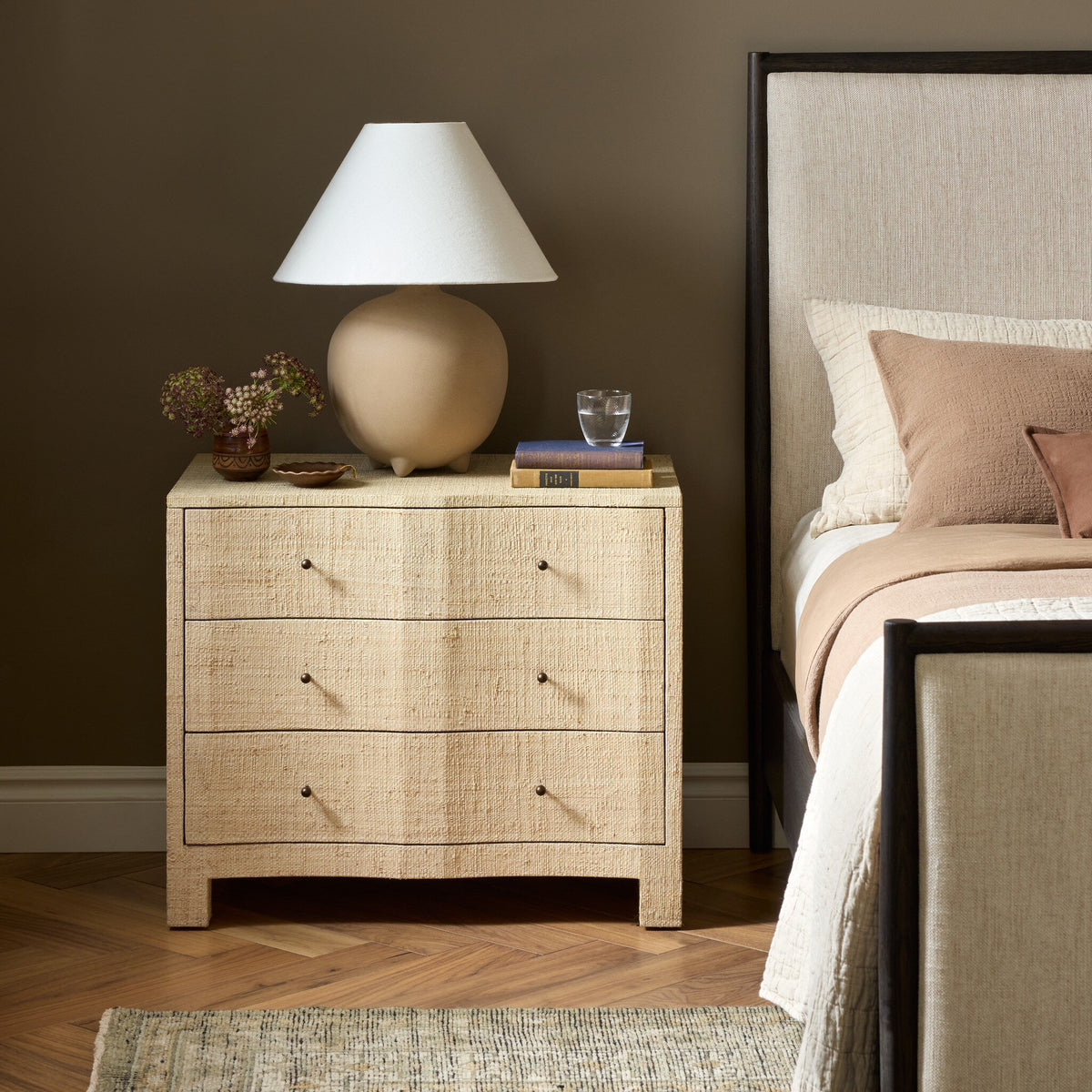
Luxury does not always announce itself. In the best Houston homes, luxury often comes through in the details: a beautifully proportioned sofa, a vintage-inspired rug, sculptural lighting, natural materials, and rooms that feel layered without feeling crowded. A collected home is not one where everything matches. It is a home that feels intentional. Each piece has a purpose, yet nothing feels overly coordinated. For Houston homeowners, creating that balance means understanding how to combine comfort, scale, texture, and personality. Start With a Strong Foundation Every collected room begins with a few foundational pieces. A substantial sofa, well-made dining table, or statement bed establishes the character of the space. These are the pieces you live with every day, so they should offer both comfort and presence. Rather than filling a room all at once, start with these key pieces and allow the rest of the room to develop around them. The result feels more natural and considered. Mix, Don't Match One of the easiest ways to make a home feel more sophisticated is to move away from matching furniture sets. Instead, combine pieces that complement one another without looking identical. Pair a streamlined sofa with a sculptural coffee table. Mix warm wood with metal. Place contemporary seating alongside a more traditional rug or piece of art. The goal is harmony, not uniformity. A room becomes more interesting when it looks like it was assembled over time rather than purchased from a single showroom floor. Layer Texture Luxury is often felt before it is noticed. Soft upholstery, natural wood, textured rugs, stone, leather, linen, and aged metals can give a room depth and warmth. Even a neutral palette can feel rich when multiple textures are layered together. This is particularly important in modern Houston interiors, where clean architectural lines can benefit from softer, more tactile materials. Texture keeps minimal spaces from feeling cold. Let Lighting Set the Mood Lighting can completely change the character of a room. A sculptural pendant can become a focal point over a dining table. A floor lamp can create a quiet reading corner. Table lamps and accent lighting can add warmth to a living room after sunset. Instead of relying on one overhead fixture, think in layers. The most inviting rooms have different sources of light that create atmosphere throughout the day. Bring the Outdoors In Houston's relationship with the outdoors should influence the way its homes are designed. Large windows, natural light, greenery, wood tones, organic materials, and indoor-outdoor furniture can create a stronger connection between the home and its surroundings. Outdoor spaces should also be treated as extensions of the interior rather than an afterthought. A thoughtfully furnished patio, terrace, or poolside area can feel just as intentional as the living room. Make Room for Art and Personality A luxurious home should feel personal. Art, objects, books, and collected pieces give a room its identity. They tell visitors something about the people who live there. Rather than filling every wall or surface, choose pieces that genuinely speak to you. One large artwork can have more impact than a collection of smaller pieces competing for attention. The same principle applies to accessories: edit carefully and let your favorite pieces breathe. Pay Attention to Scale Luxury has a lot to do with proportion. A room can have beautiful furniture and still feel unfinished if the scale is wrong. A small rug floating in a large living room or undersized lighting above a dining table can make an otherwise well-designed space feel disconnected. Consider the relationship between every piece. A substantial room often needs furniture with enough visual weight to match it, while smaller spaces benefit from pieces that provide function without dominating the room. Create Rooms That Feel Lived In Perhaps the most important element of a luxurious Houston home is comfort. The most beautiful room is not successful if no one wants to sit in it. Choose furniture that invites people to stay. Create spaces for conversation, entertaining, reading, relaxing, and everyday living. Your home should feel elevated without feeling precious. The Native Citizen Approach At Native Citizen, we believe great interiors are created through a balance of design and everyday living. Our approach combines thoughtfully selected furniture, rugs, lighting, art, and accessories with a deep understanding of how each space will be used. We mix materials, styles, and influences to create interiors that feel personal rather than prescribed. The result is a home that feels collected, comfortable, and distinctly yours. Visit Native Citizen in Houston or schedule a design appointment to begin creating a home with character, comfort, and lasting style.
Learn more